

DC-KLIMA
Citizen Engagement with Climate Impacts
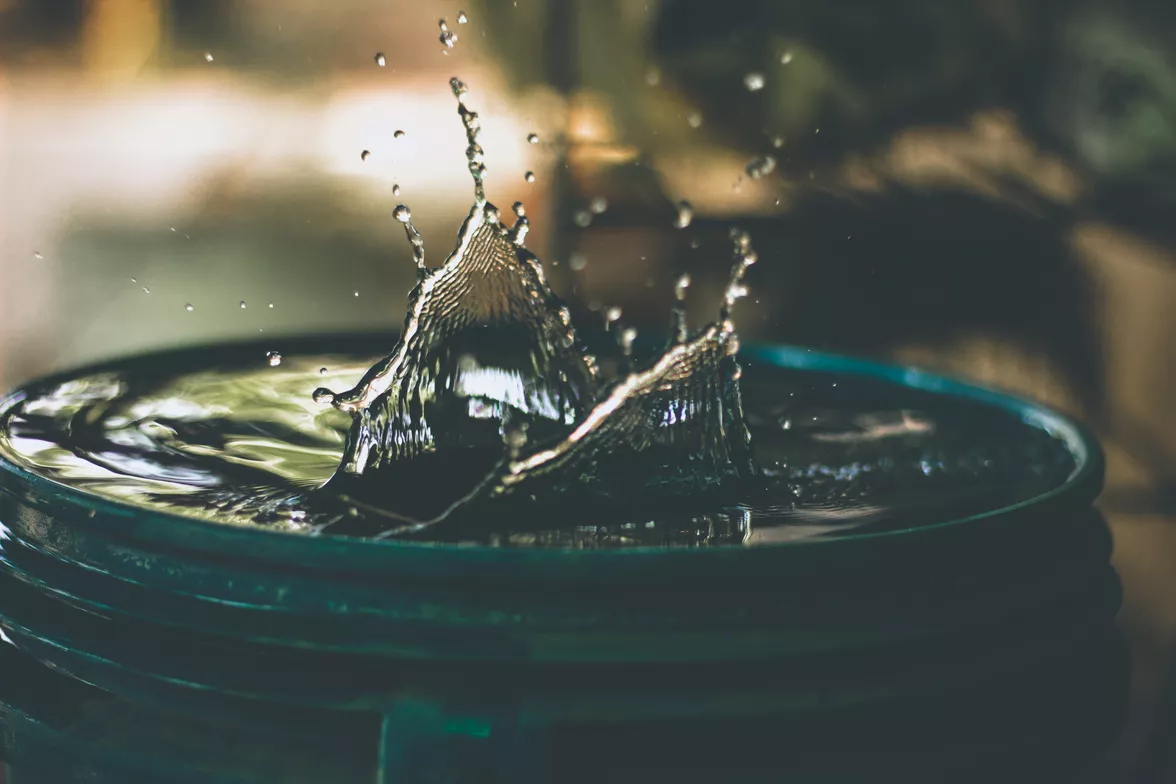
Water extremes are more likely in our warming climate. Weather-related disasters, such as floods, droughts, storms and extreme temperatures, increased five-fold between 1970-2020. Droughts and floods are arguably the most critical dimension of climate change impacts, because about three quarters of natural disasters are water-related. Citizens play an important role in observing and recording water changes that might precede a disaster.
German-Australian Collaboration
DC-KLIMA, Digital Citizen Engagement with (K)Climate, is a pilot collaboration between the Chair for Environmental and Climate Policy and the University of Queensland, Brisbane (UQ) supported by the TUM Global Incentive Fund from April 2023 to January 2024. The project collects and displays water observations in Germany and Australia using a citizen science approach. Project leads Professor Franzisca Weder from the Department of Business Communication at the Vienna University of Economics and Business (WU), Dr. Jennifer Yarnold from the Center for Policy Futures at the University of Queensland-Brisbane and Dr. Theresa Jedd hosted a workshop and use experimental teaching formats to disseminate the project results. The project is also supported by Riya Pawar, a recent graduate of Maastricht University and United Nations University with a Master’s in Public Policy and Human Development, with a focus on Methods of Policy Analysis and STATA. Chris Schoenherr and Marlena Naimarevic were also involved.
Research Question
We are investigating fundamental questions about the conduct of citizen science, environmental communication, and citizen participation. The role of direct involvement with science is of particular interest. In other words, does citizen science also shape political attitudes and policy preferences?
External Link to Survey:
Participate in the Survey now!
PARTICIPATE WITH YOUR OBSERVATIONS
Please join us in adding your observations. You can do this as often as you like (up to one time per day). After taking the survey, you will be automatically redirected to the website.
You can also find us on the Citizen Science platform "Bürger schaffen Wissen" of the Berlin Museum of Natural History. Visit the website!
Follow all the observations on the LIVE MAP!
We welcome your participation!
Sharing the results: a workshop
The workshop will be an opportunity to share a summary of the observations with citizens. The initial phase of input will be used to narrow the focus of this workshop, based on the topics that are important to citizens, their concerns, and the types of water observations they made. If we have another dry summer in Germany, this may motivate individuals to share images and observations that are related to water shortages. Water shortages might appear as lower lakes and ponds, dry streams, or brown plants. A dry summer could prompt citizens to consider their policy preferences related to Germany’s national water strategy. In other words, a hot and dry summer may create more concern for water availability. This could result in more concern for water resources, causing citizens to form an opinion about how water is used in Germany. For example, do citizens tend to favor building new infrastructure, using natural areas to replenish groundwater, having a water use “hierarchy” that prioritizes drinking water over agricultural and industrial use, or leaving water delivery to the private sector? In our presentation of the results, we will cover regional differences and consider the advantages and disadvantages of using a digital mapping platform.
Project contacts: Marlena Naimarevic ga94get@mytum.de or Theresa Jedd Theresa.jedd@hfp.tum.de